

By lodha
July 03, 2026
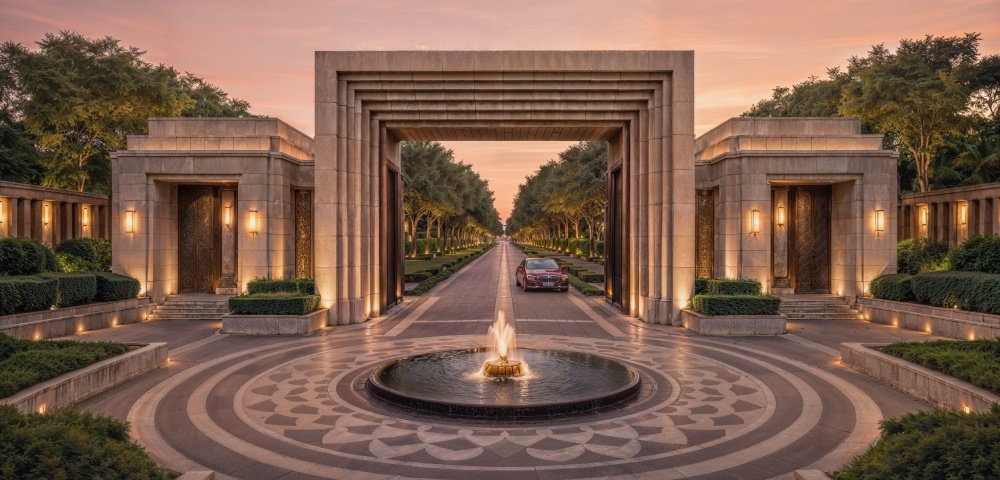
The finest neighbourhoods are rarely created overnight. They acquire character gradually - through architecture that settles into its surroundings, landscapes that mature with the seasons, and the everyday rituals of the people who come to call them home. The addresses that continue to hold their appeal across generations are seldom those built in haste. They are shaped through patience, deliberate planning and the confidence to think beyond the immediate recognition.
Richmond County, on Richmond Drive in Thane, is one such neighbourhood.
Long before its first high-rise was conceived, the foundations of the neighbourhood had already been laid. Lodha made a conscious decision to begin not with towers, but with independent villas, tree-lined streets, generous landscapes and a community clubhouse. The intention was simple yet uncommon: allow a neighbourhood to establish its own rhythm. Nearly seven years later, that vision has quietly taken shape.
Today, Richmond County is no longer a masterplan waiting to unfold. Families already live here. Morning walks follow shaded boulevards lined with mature trees. Evenings often end at Club Royale, where neighbours meet over coffee, children move effortlessly between play areas, and weekend gatherings have become familiar rituals. At the centre of the neighbourhood, the lake and landscaped open spaces bring a sense of calm that feels increasingly rare within the Thane city.
This sequence is significant because it reverses the convention followed by many residential developments. Typically, towers arrive first and the idea of neighbourhood follows later. At Richmond County, the neighbourhood was established first. Homes, landscapes and shared spaces were given time to mature before the first high-rise chapter was introduced.
The first two chapters of Richmond County—Lodha Villa Royale and Lodha Villa Royale Gold—introduced a distinctly different way of living in Thane. Rather than maximising density, they embraced openness. Georgian-inspired villas were arranged along symmetrical streets with generous setbacks, private gardens and carefully considered proportions, creating an architectural language that felt composed, enduring and rooted in permanence rather than fashion.
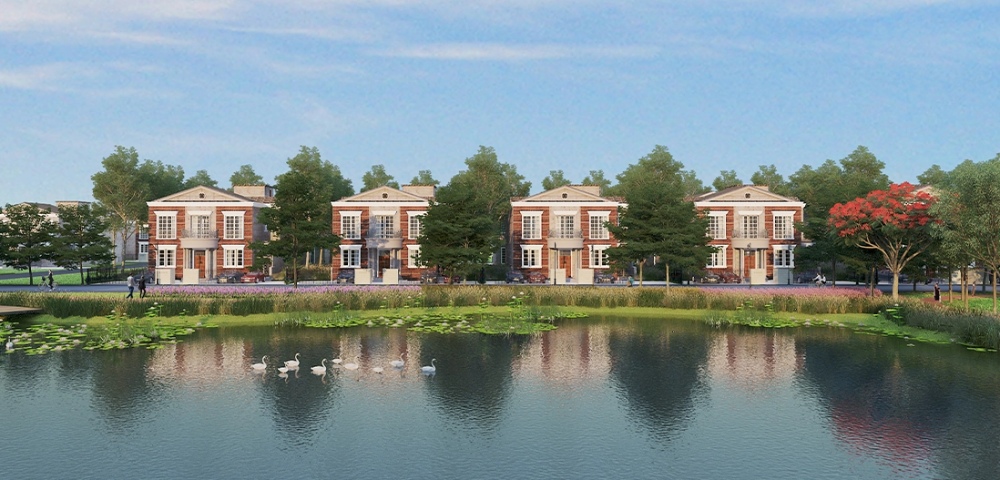
The relationship between home and landscape was central to the planning. Gardens extended naturally from living spaces. Streets encouraged slower movement rather than simply facilitating vehicles. Open spaces were not residual pockets between buildings but an organising principle that shaped how the neighbourhood would be experienced every day.
These decisions continue to define Richmond County today. More than creating attractive streetscapes, they have influenced the social character of the neighbourhood itself.
One of the clearest distinctions between an established neighbourhood and a newly launched development lies in what can already be experienced.
A clubhouse in daily use tells a different story from one still represented in a brochure. Mature trees offer a sense of permanence that newly planted saplings cannot. Landscapes that have grown over years possess a richness that cannot be accelerated.
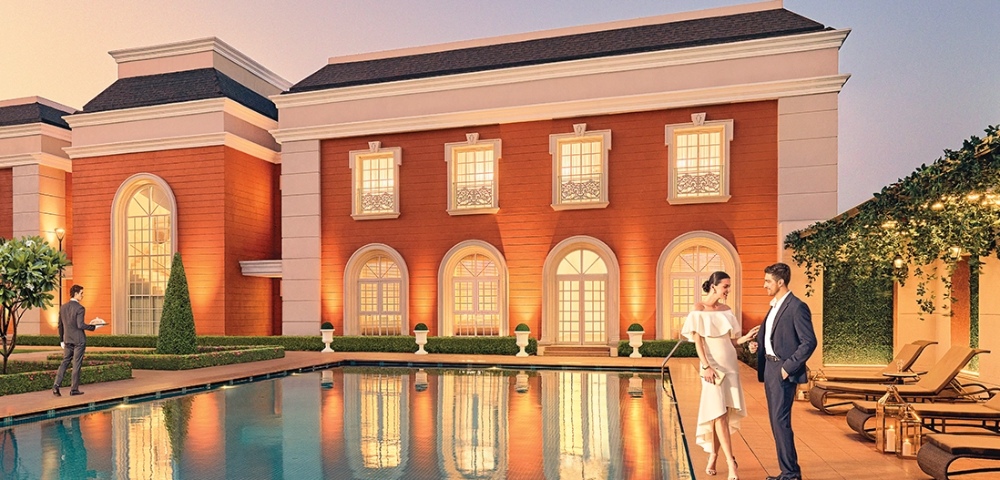
At Richmond County, Club Royale has been part of neighbourhood life for years. Landscaped avenues have matured. Shared spaces have become familiar meeting points rather than planned amenities waiting to be discovered. These are qualities that emerge only with time, through continued occupation and the quiet repetition of everyday life.
For discerning homebuyers in Thane, this creates a proposition that remains relatively uncommon. While many premium developments introduce towers first and community infrastructure later, Richmond County offers an operational neighbourhood where landscape, amenities and community life are already part of the experience.
It is within this established setting that Lodha Belmont introduces the third chapter of Richmond County.
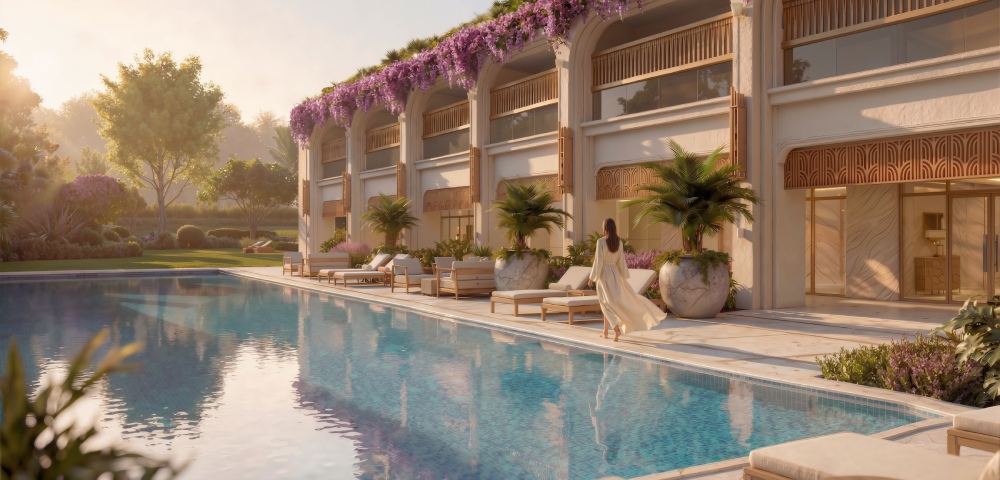
Rather than beginning a new story, Belmont continues one that has already been unfolding for several years. Its architectural language shifts from the timeless symmetry of the Georgian villas to the enduring elegance of Art Deco, yet the philosophy remains remarkably consistent: architecture selected for longevity rather than trend.
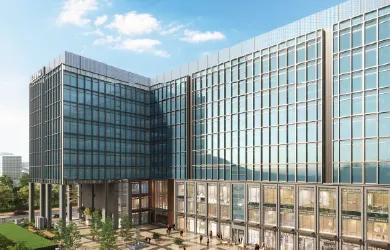
Designed by Padma Bhushan awardee Hafeez Contractor, Belmont reinterprets Art Deco through graceful proportions, sculpted façades and expansive residences designed around natural light and openness. The landscape, envisioned by P Landscape of Bangkok, continues Richmond County's long-standing emphasis on generous open spaces, while the interiors by Studio HBA extend the same thoughtful design philosophy into the everyday experience of home. Lower-density planning, extensive greenery and carefully curated hospitality experiences ensure that Belmont belongs naturally within the neighbourhood rather than standing apart from it.
It is less a new destination than the natural evolution of an address that already exists.
The neighbourhoods that remain desirable over decades rarely do so because of a single feature or specification. Their character is shaped by a series of decisions made consistently over time—how much land remains open, how architecture relates to its surroundings, how community spaces are planned and, above all, how patiently a place is allowed to mature.
Richmond County continues to evolve, and new chapters will inevitably bring new families and new memories. Yet its defining qualities were established long before the newest residences were introduced.
Perhaps that is what makes Richmond County distinctive today. It is not asking buyers to imagine what the neighbourhood might one day become.
It is inviting them into one that is already being lived in.
 Lifestyle & Culture
 Lifestyle & Culture
 Lifestyle & Culture


 Enquire
 Call
Call
 chat
chat


